Jump to the page
The Yardstick Almanac

The Yardstick Almanac

Every unit is an argument somebody won.

A reference on why measurements are the numbers they are, covering calendars, units, scale, maps and charts with recomputed figures and primary documents.

  1. Calendars & Time4 entries
  2. Units & Standards4 entries
  3. Scale & Estimation4 entries
  4. Maps Explained3 entries
  5. Reading Charts3 entries

Reference pages to start from

The entries the rest of the almanac leans on.

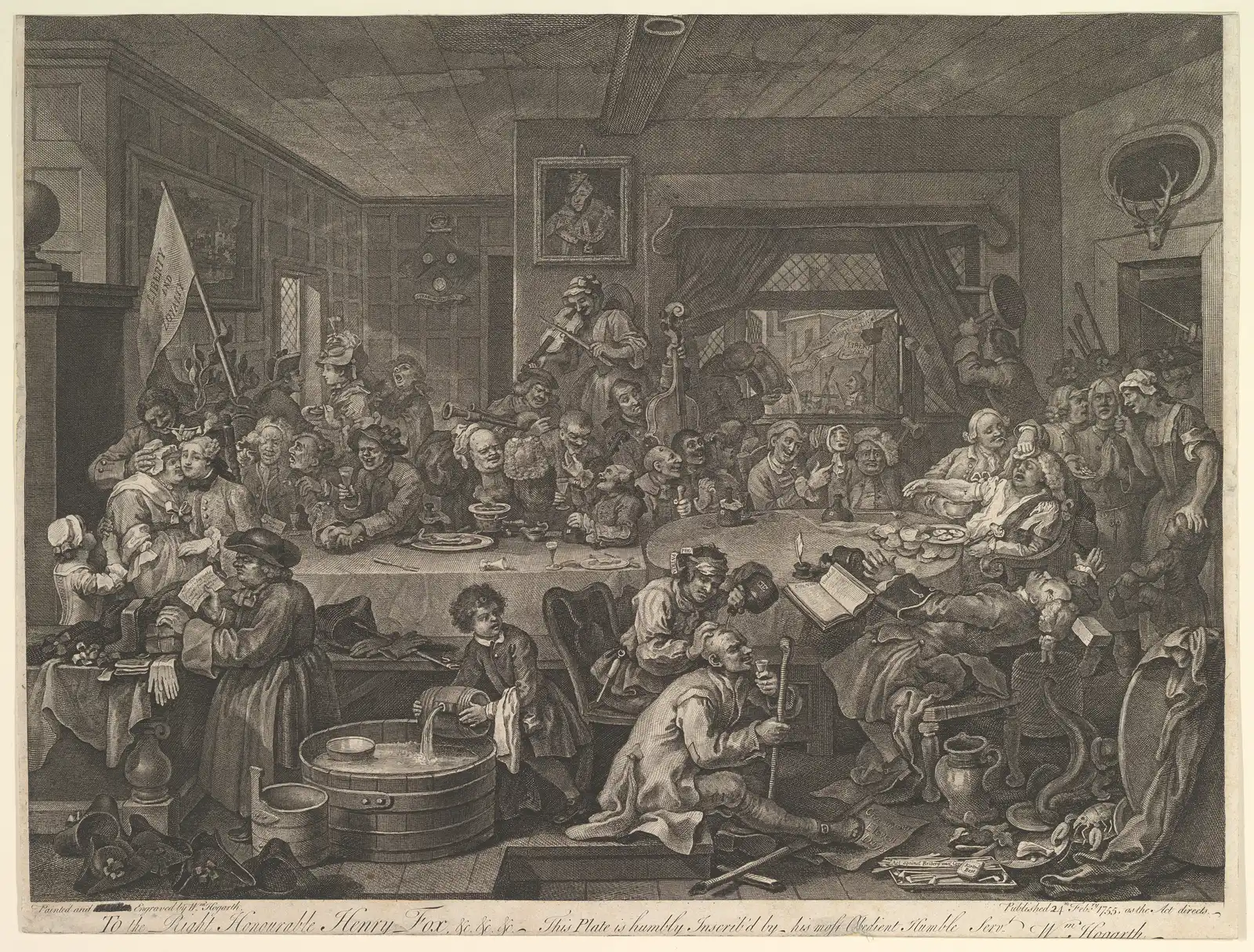
  1. Hogarth engraving An Election Entertainment, 1755: a crowded election dinner; Metropolitan Museum of Art

    No. 1

    Calendars & Time

    Leap Year Isn't Every 4 Years: Why 2100 Skips February 29

    In the Gregorian calendar, a year divisible by 4 is a leap year unless it is a century year not divisible by 400: 2000 was, 1900 and 2100 are not.

    Image credit

    "An Election Entertainment, Plate I: Four Prints of an Election" by William Hogarth — https://commons.wikimedia.org/wiki/File:An_Election_Entertainment,_Plate_I-_Four_Prints_of_an_Election_MET_DP827052.jpg — CC0 1.0 (https://creativecommons.org/publicdomain/zero/1.0/)
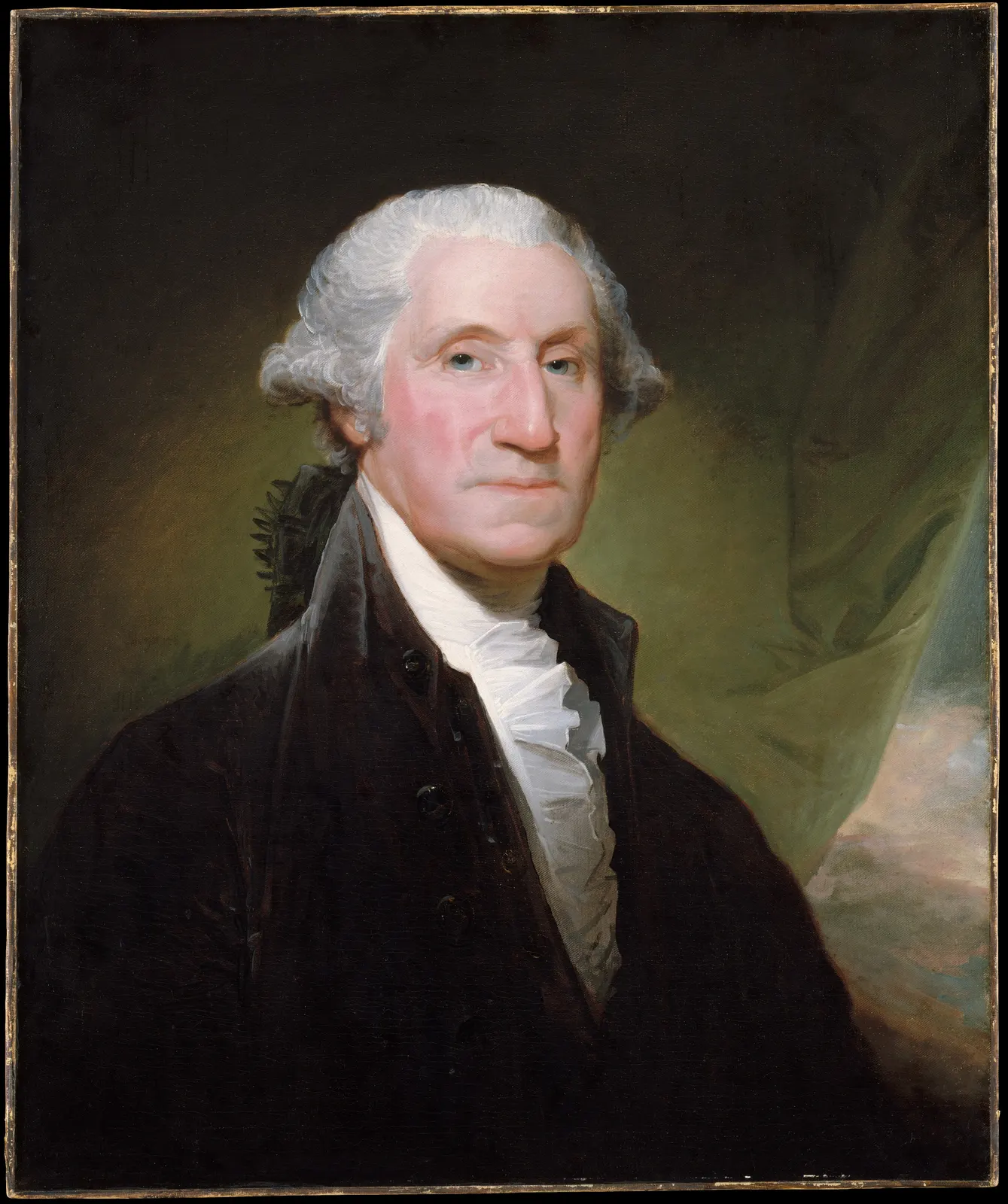
  2. Oil portrait of George Washington by Gilbert Stuart, bust length, dark coat and white cravat; Metropolitan Museum of Art

    No. 2

    Calendars & Time

    Old Style vs New Style Dates: Feb 11, 1731 Was Feb 22, 1732

    Old Style dates follow the Julian calendar, and in England before 1752 the legal year began March 25. So February 11, 1731, Old Style, is February 22, 1732, New Style.

    Image credit

    "George Washington (Gibbs-Channing-Avery Portrait)" by Gilbert Stuart — https://commons.wikimedia.org/wiki/File:George_Washington_MET_DT62.jpg — CC0 1.0 (https://creativecommons.org/publicdomain/zero/1.0/)

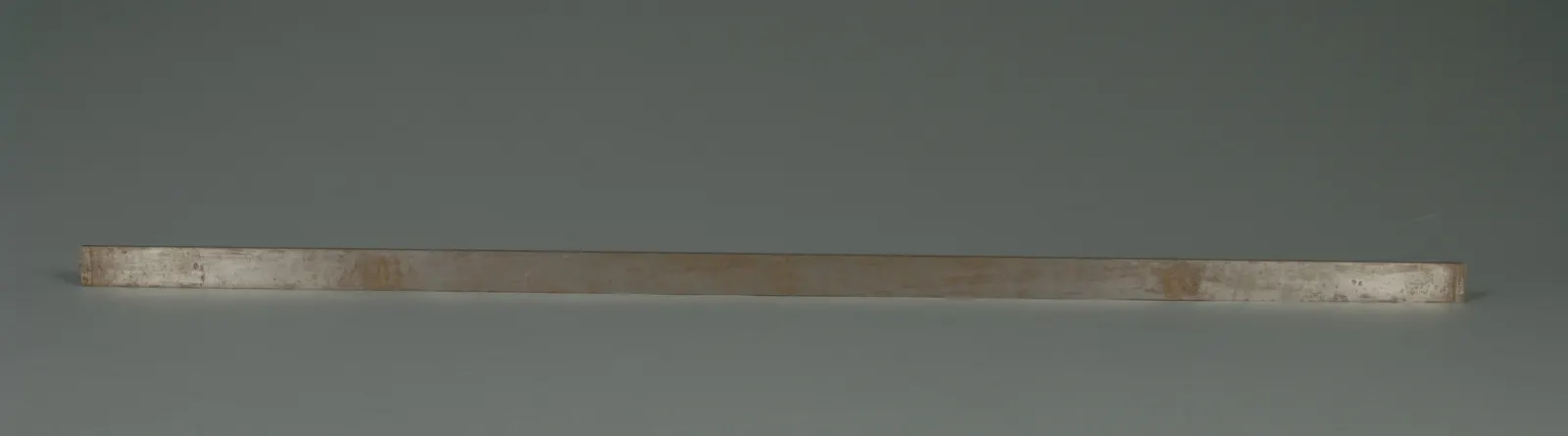
  3. Photograph of a long, narrow platinum bar lying on a gray background, the Committee Meter of 1799 in the NIST Museum collection

    No. 3

    Units & Standards

    Metric System in the U.S.: The Yard Is Defined by the Meter

    Since 1893 the U.S. yard and pound have been defined from the meter and kilogram, and since 1959 by exact values: 1 yard is 0.9144 m, 1 pound 0.45359237 kg.

    Image credit

    "Committee Meter Bar, made of platinum in 1799 (NIST Museum Collection)" by NIST Museum Collection — https://commons.wikimedia.org/wiki/File:Committee_Meter_Bar_Platinum_1799.png — Public domain (work of the U.S. federal government, 17 U.S.C. §105 (photograph from the NIST Museum Collection, source https://www.nist.gov/image/committee-meter); Commons also marks the file with the Public Domain Mark 1.0)

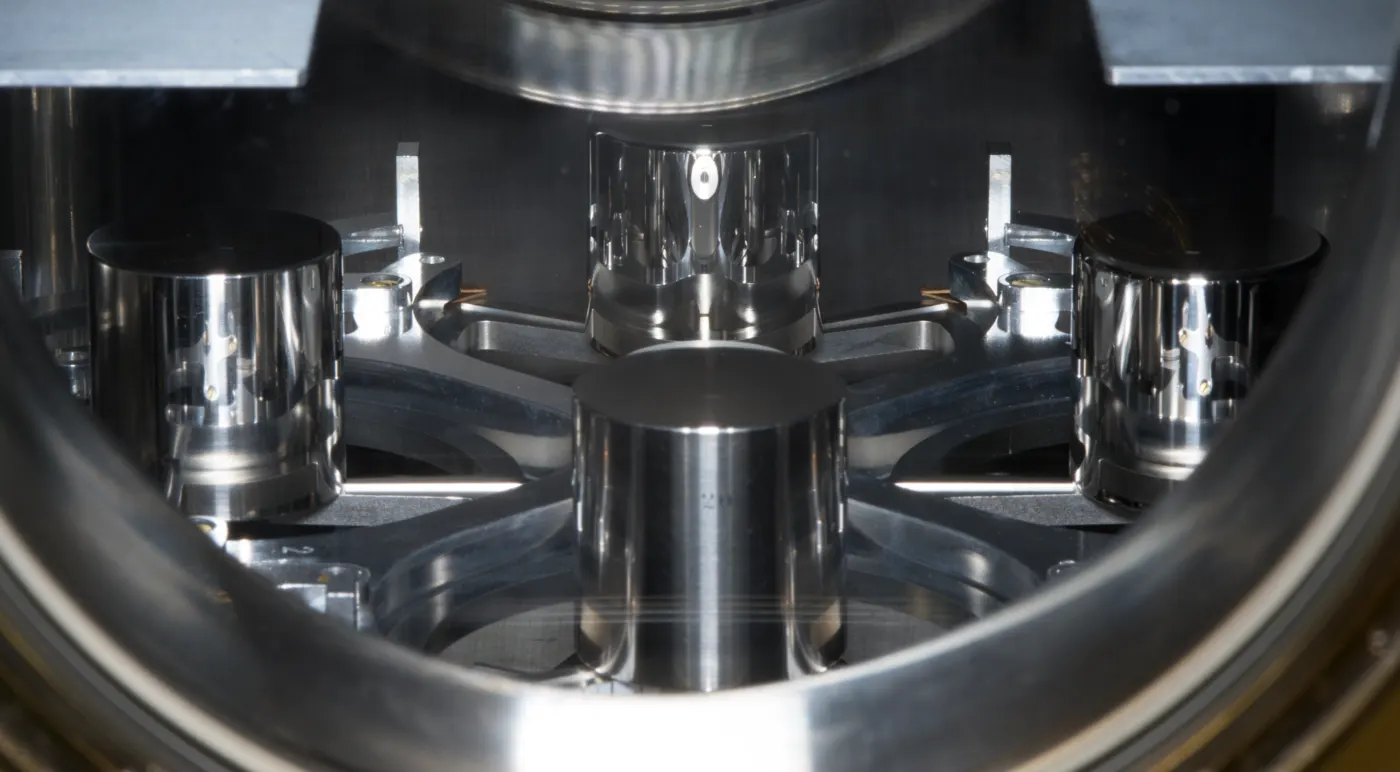
  4. Photograph of four polished platinum-iridium kilogram cylinders at NIST seen through a round port, with K20 in front, engraved 20

    No. 4

    Units & Standards

    Kilogram Definition: Why the 1889 Cylinder Has Uncertainty

    Since May 20, 2019, the Planck constant defines the kilogram; the 1889 prototype that defined it has a measured mass: 1 kg, with a 10-microgram standard uncertainty as of 2018.

    Image credit

    "K20 and Friends: four of the five U.S. national prototype kilogram artifacts, including K20 (front) and K4 (back)" by J. Lee/NIST — https://commons.wikimedia.org/wiki/File:Kilograms-pml0013_K20_and_Friends_Four_of_the_five_U.S._national_prototype_kilogram_artifacts,_including_K20_(front)_and_K4_(back).png — Public domain (work of the U.S. federal government, 17 U.S.C. §105 (photograph by J. Lee of NIST, published by NIST in 2018); Commons also marks the file with the Public Domain Mark 1.0)

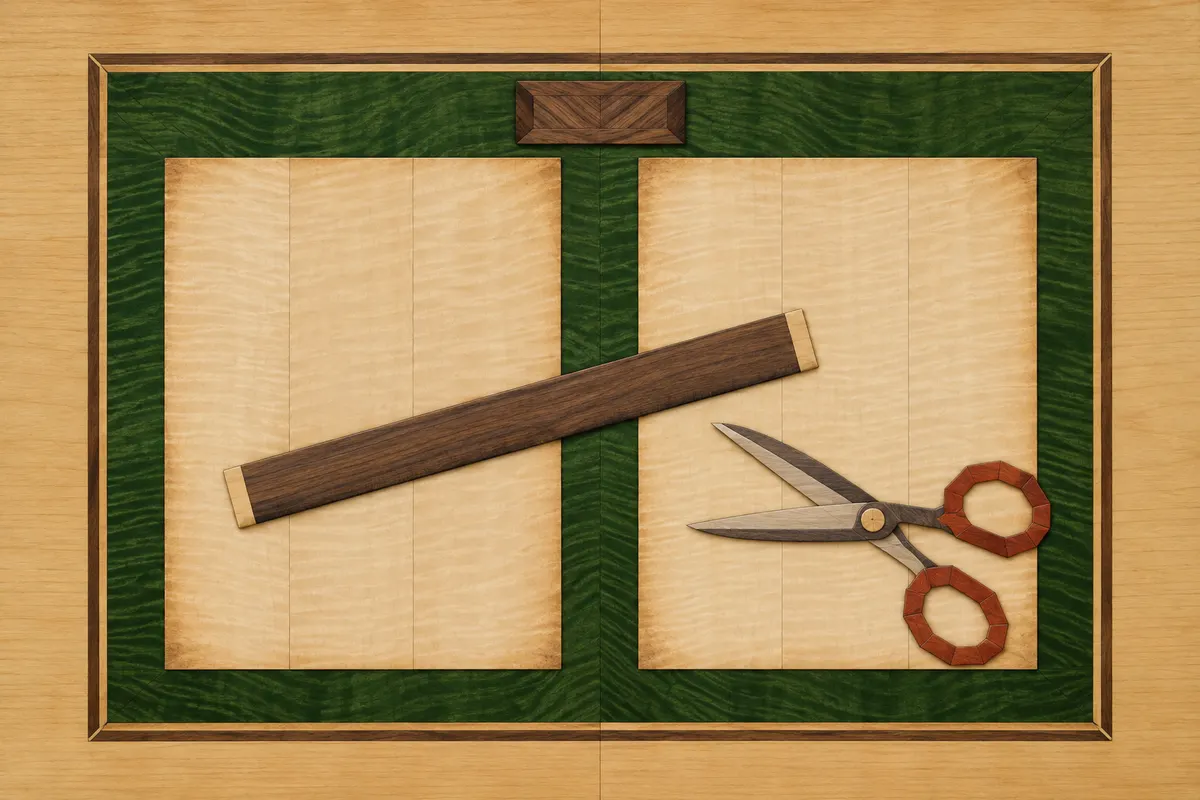
  5. Illustration: marquetry of two blank sheets of paper on a desk pad, a ruler laid across them and open red-handled scissors

    No. 5

    Reading Charts

    Misleading Graphs: In Tests, Even Flagged Cut Axes Misled

    In three experiments published in 2020, a bar chart with a cut y-axis made a change look bigger to participants, even when a break mark flagged the cut.

    Illustration credit

    Illustration: The Yardstick Almanac. Generated schematic illustration — not a photograph or historical record. © The Yardstick Almanac, all rights reserved.

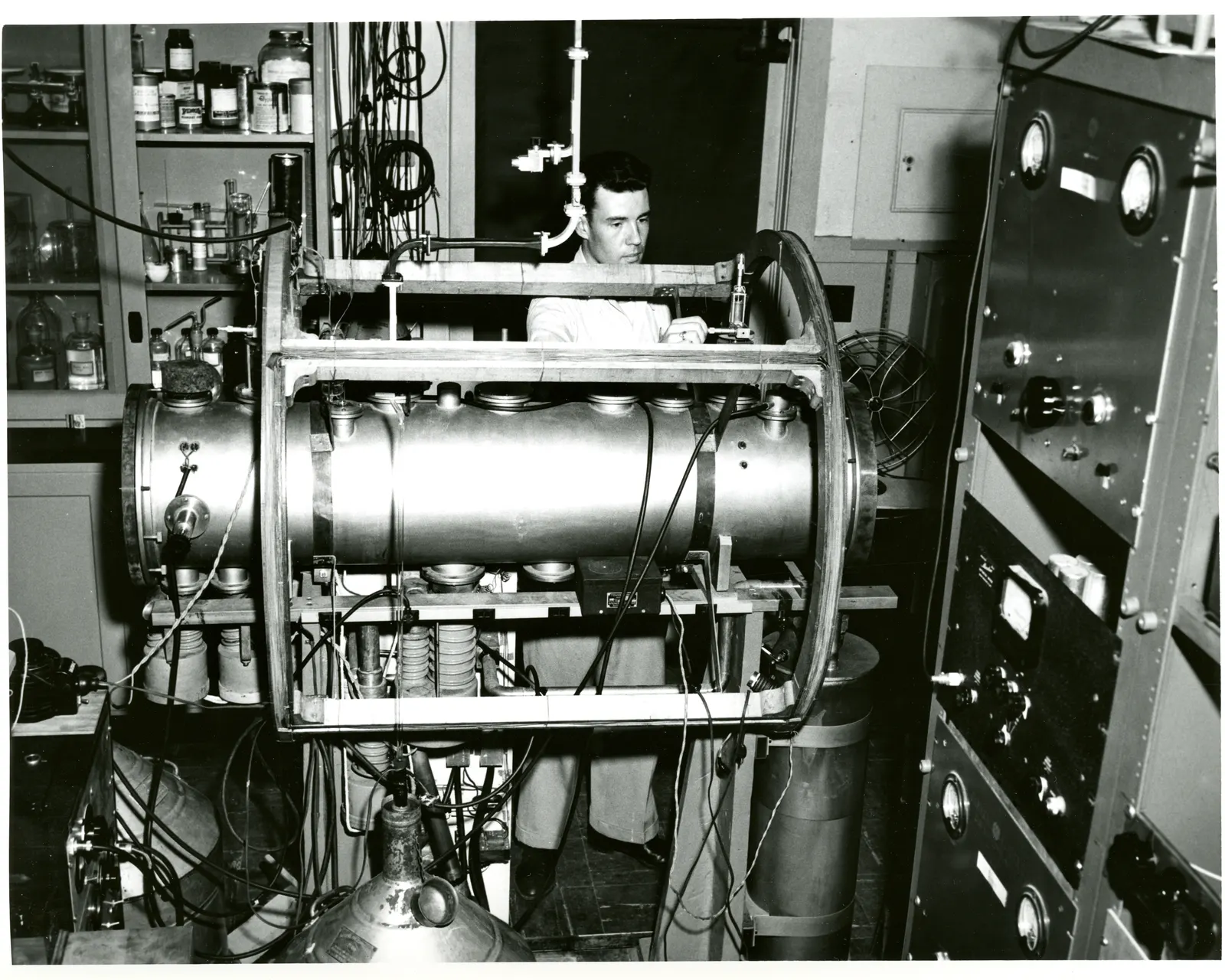
  6. Black-and-white photograph of the NBS-1 atomic clock: a horizontal metal cylinder in a wooden frame, a man working behind it; NIST

    No. 6

    Calendars & Time

    Leap Second: 27 Through 2026, Then Continuous UTC From 2027

    As of IERS Bulletin C 72 (July 2026), UTC is 37 seconds [exact by definition] behind atomic time, 27 of them leap seconds. UTC becomes continuous on May 20, 2027.

    Image credit

    "Atomic Clock017 (atomic clock NBS-1)" by National Institute of Standards and Technology — https://commons.wikimedia.org/wiki/File:Atomic_Clock017.jpg — Public domain (work of the U.S. federal government, 17 U.S.C. §105)

New entries

  • Hogarth engraving An Election Entertainment, 1755: a crowded election dinner; Metropolitan Museum of Art

    Calendars & Time

    Leap Year Isn't Every 4 Years: Why 2100 Skips February 29

    In the Gregorian calendar, a year divisible by 4 is a leap year unless it is a century year not divisible by 400: 2000 was, 1900 and 2100 are not.

    Image credit

    "An Election Entertainment, Plate I: Four Prints of an Election" by William Hogarth — https://commons.wikimedia.org/wiki/File:An_Election_Entertainment,_Plate_I-_Four_Prints_of_an_Election_MET_DP827052.jpg — CC0 1.0 (https://creativecommons.org/publicdomain/zero/1.0/)
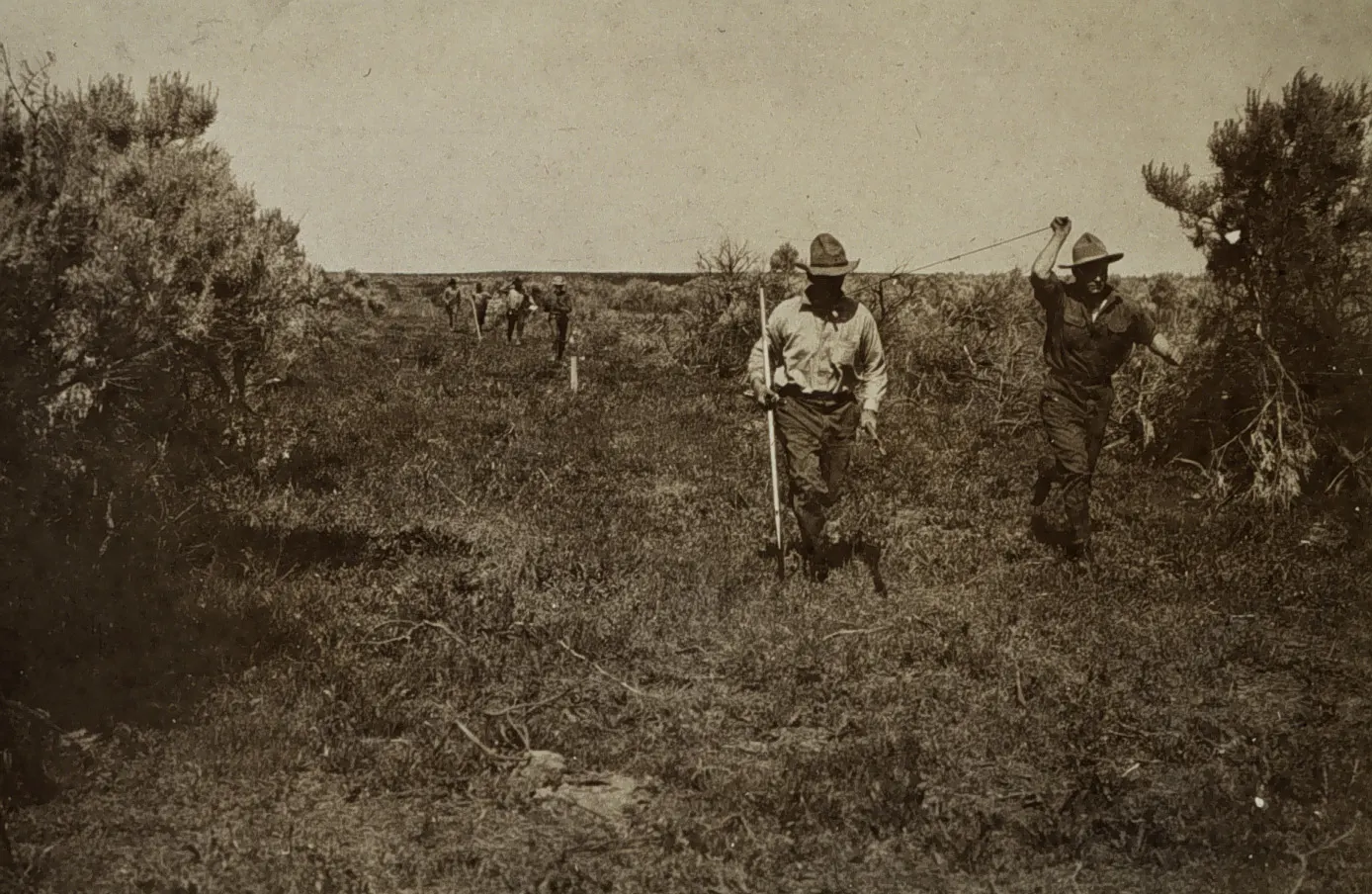
  • Photograph of a 1916 base-line survey near Stanfield, Oregon: one man carries a pole while another pulls a tape through low brush

    Units & Standards

    U.S. Survey Foot: America Had Two Official Feet Until 2023

    From 1959 through 2022 the U.S. had two official feet: the international foot, 0.3048 m, and the survey foot, 1200/3937 m, about 2 parts per million longer.

    Image credit

    "Measuring base with Invar tape, Stanfield, Oregon (NOAA Photo Library theb1656)" by U.S. Coast and Geodetic Survey — https://commons.wikimedia.org/wiki/File:Theb1656_-_Flickr_-_NOAA_Photo_Library.jpg — Public domain (work of the U.S. federal government, 17 U.S.C. §105; also released by the NOAA Photo Library under CC BY 2.0)

  • Photograph of Grace M. Hopper in U.S. Navy uniform and cap, arms folded, U.S. flag behind; U.S. Navy, 1984

    Scale & Estimation

    Nanosecond: Light Covers About 11.8 Inches in a Vacuum

    In one nanosecond, light in a vacuum travels 0.299792458 m [exact by definition], about 11.8 inches. The Naval History and Heritage Command's catalog says Grace Hopper used wires to visualize it.

    Image credit

    "Commodore Grace M. Hopper, USN (covered)" by James S. Davis — https://commons.wikimedia.org/wiki/File:Commodore_Grace_M._Hopper,_USN_(covered).jpg — Public domain (work of the U.S. federal government, 17 U.S.C. §105)

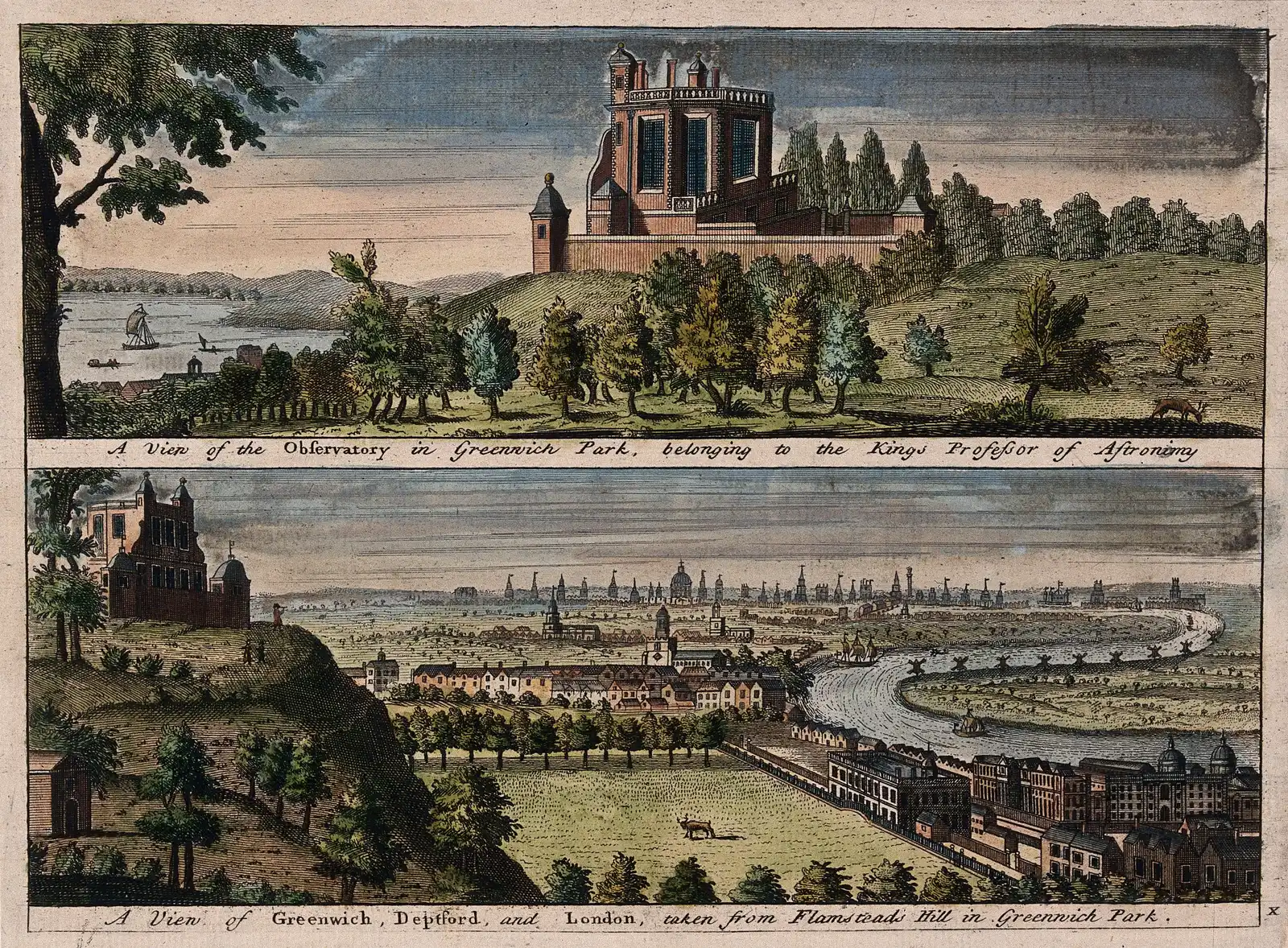
  • Colored engraving, 1723: the Royal Observatory on Greenwich Hill above a view of Greenwich, Deptford and London; Wellcome Collection

    Maps Explained

    Prime Meridian: The 1884 Vote Named a Telescope, Not a Mark

    The 1884 International Meridian Conference proposed as longitude zero the meridian through the center of the transit instrument at Greenwich Observatory: a telescope, not a line on the ground.

    Image credit

    "The Royal Observatory, Greenwich Hill, top, and the view of Greenwich and London seen from the hill, below" by Wellcome Collection — https://commons.wikimedia.org/wiki/File:The_Royal_Observatory,_Greenwich_Hill,_top,_and_the_view_of_Wellcome_V0013355.jpg — CC BY 4.0 (https://creativecommons.org/licenses/by/4.0/)

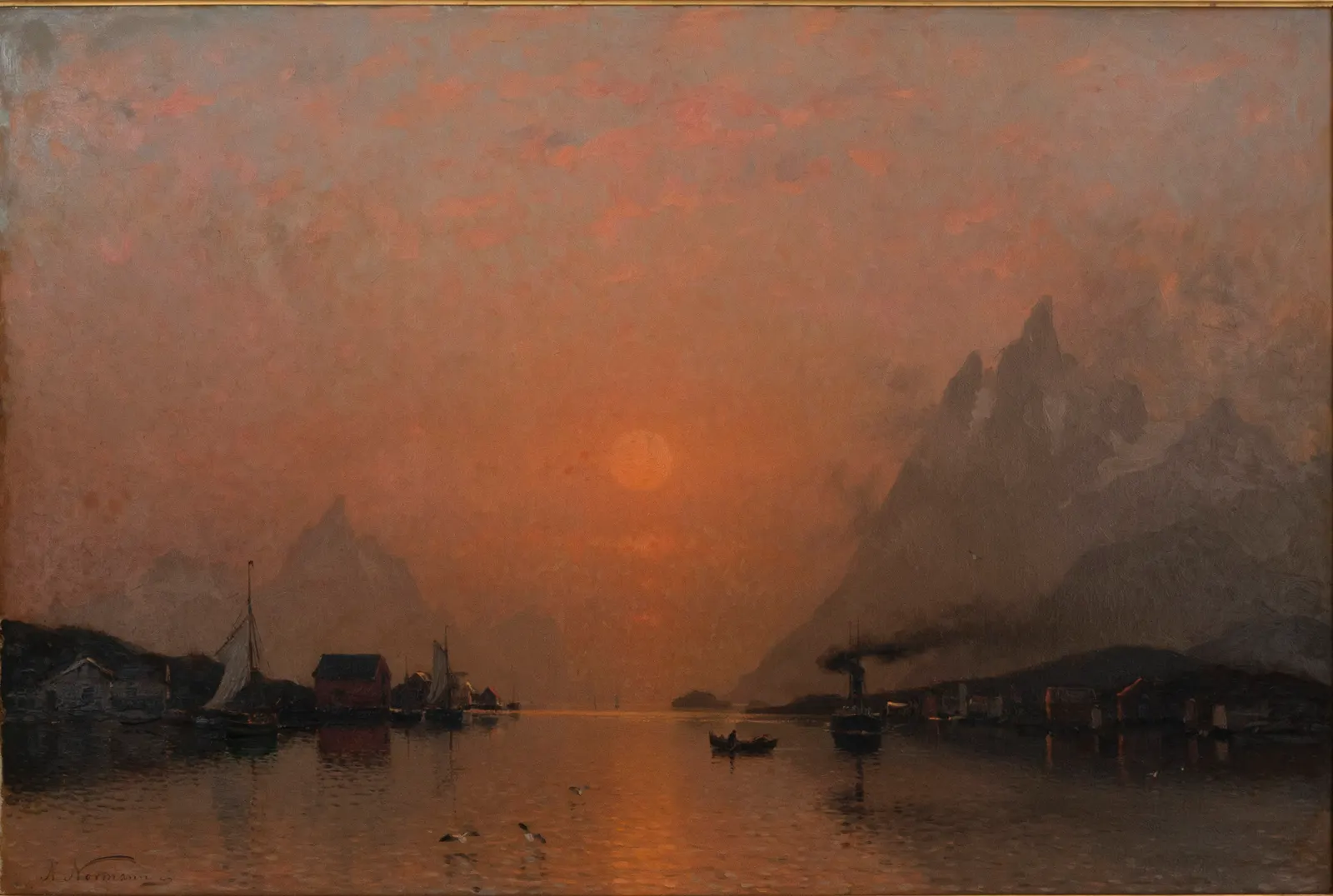
  • Adelsteen Normann's painting Summer Night, Raftsundet, Lofoten: a low orange sun over a fjord with boats and mountains; Trondheim Art Museum

    Reading Charts

    Daylight Hours: 70° N Averaged More Than the Equator in 2026

    By the standard sunrise definition, 70° N averaged about 12.58 hours of daylight a day in 2026 to the equator's 12.12, helped by slanting sunrises and a longer northern half-year.

    Image credit

    "Summer Night, Raftsundet, Lofoten" by Adelsteen Normann — https://commons.wikimedia.org/wiki/File:Adelsteen_Normann_-_Sommernatt_i_Raftsund_-_TKM-29-1887_-_Trondheim_kunstmuseum_(cropped).jpg — Public domain (Oil on canvas by Adelsteen Normann (1848–1918), Trondheim Art Museum TKM-29-1887, dated presumably 1887 on the Commons file page; the painter died 26 December 1918, so the work is in the public domain in Norway and the EU (life plus 70 years) and in the United States (published before 1931, per the file page). Faithful photographic reproduction of a two-dimensional public-domain work (PD-Art); the file is marked with the Public Domain Mark 1.0); modified: cropped to the painting by a Commons contributor (CropTool, lossless) from the framed museum photograph; used unchanged

  • Black-and-white photograph of the NBS-1 atomic clock: a horizontal metal cylinder in a wooden frame, a man working behind it; NIST

    Calendars & Time

    Leap Second: 27 Through 2026, Then Continuous UTC From 2027

    As of IERS Bulletin C 72 (July 2026), UTC is 37 seconds [exact by definition] behind atomic time, 27 of them leap seconds. UTC becomes continuous on May 20, 2027.

    Image credit

    "Atomic Clock017 (atomic clock NBS-1)" by National Institute of Standards and Technology — https://commons.wikimedia.org/wiki/File:Atomic_Clock017.jpg — Public domain (work of the U.S. federal government, 17 U.S.C. §105)

  • Photograph of four polished platinum-iridium kilogram cylinders at NIST seen through a round port, with K20 in front, engraved 20

    Units & Standards

    Kilogram Definition: Why the 1889 Cylinder Has Uncertainty

    Since May 20, 2019, the Planck constant defines the kilogram; the 1889 prototype that defined it has a measured mass: 1 kg, with a 10-microgram standard uncertainty as of 2018.

    Image credit

    "K20 and Friends: four of the five U.S. national prototype kilogram artifacts, including K20 (front) and K4 (back)" by J. Lee/NIST — https://commons.wikimedia.org/wiki/File:Kilograms-pml0013_K20_and_Friends_Four_of_the_five_U.S._national_prototype_kilogram_artifacts,_including_K20_(front)_and_K4_(back).png — Public domain (work of the U.S. federal government, 17 U.S.C. §105 (photograph by J. Lee of NIST, published by NIST in 2018); Commons also marks the file with the Public Domain Mark 1.0)

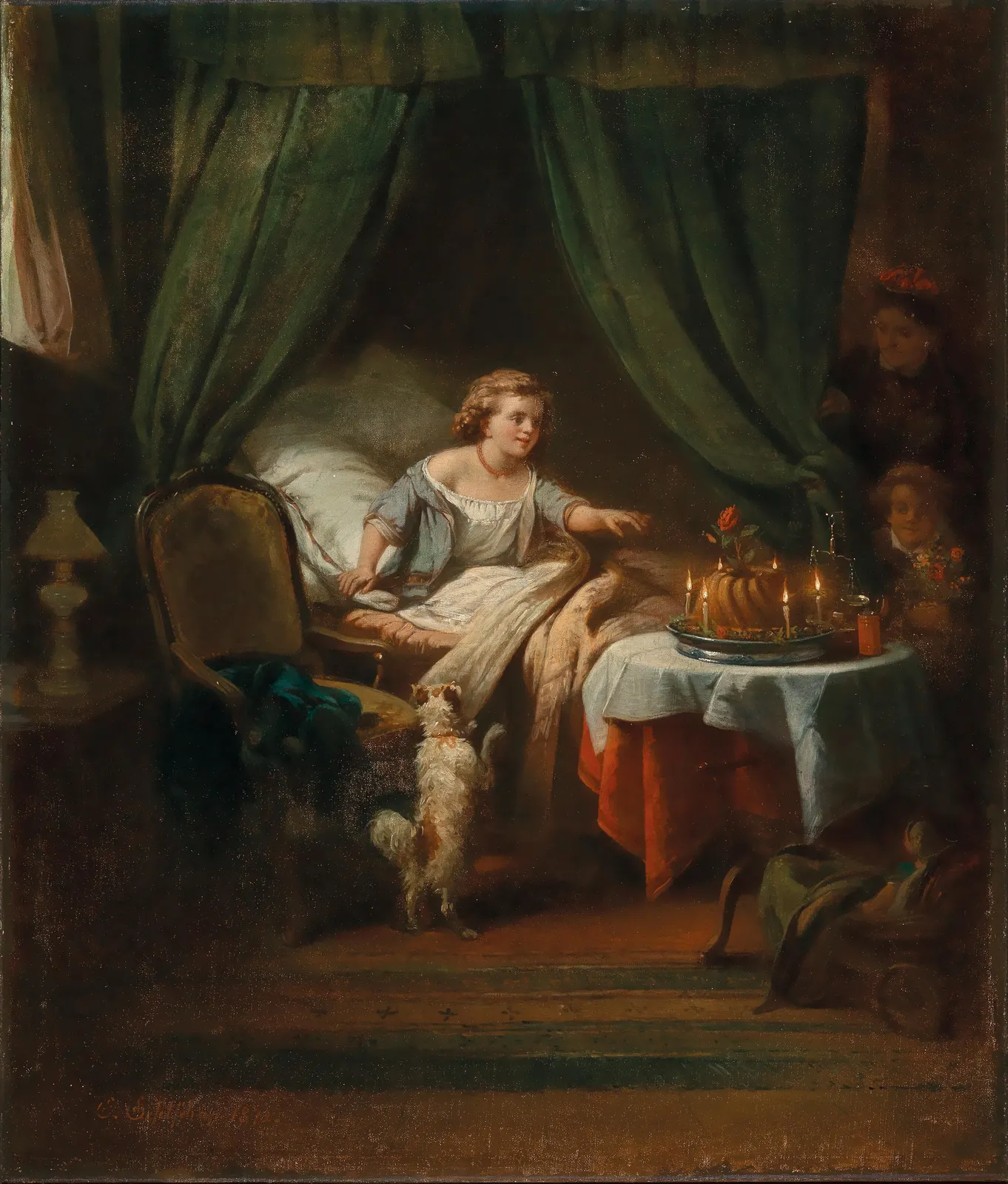
  • Eduard Geselschap's oil painting The Birthday Cake, signed and dated 1872: a girl in a curtained bed reaches toward a cake with lit candles

    Scale & Estimation

    Born on February 29: About 214,000 U.S. Residents as of 2025

    Roughly 214,000 U.S. residents in 2025 were born on February 29 [estimate, range 207,000–225,000], fewer than a 1-in-1,461 calendar share gives, because 1996–2012 U.S. birth records show fewer births on that date.

    Image credit

    "Der Geburtstagskuchen (The Birthday Cake)" by Eduard Geselschap — https://commons.wikimedia.org/wiki/File:Eduard_Geselschap_Der_Geburtstagskuchen_1872.jpg — Public domain (Oil on canvas by Eduard Geselschap (1814–1878), signed and dated 1872; the painter died 5 January 1878, so the work is in the public domain in the Netherlands and Germany and across the EU (life plus 70 years) and in the United States (published before 1931, per the file page). Faithful photographic reproduction of a two-dimensional public-domain work (PD-Art; EU Directive 2019/790 art. 14); the file is marked with the Public Domain Mark 1.0)

By section

Calendars & Time

Calendar rules and reforms: leap-year arithmetic, calendar cycles and epochs, the documents that changed calendars, and how clocks are kept in step with Earth's turning.

  • Hogarth engraving An Election Entertainment, 1755: a crowded election dinner; Metropolitan Museum of Art

    Calendars & Time

    Leap Year Isn't Every 4 Years: Why 2100 Skips February 29

    Image credit

    "An Election Entertainment, Plate I: Four Prints of an Election" by William Hogarth — https://commons.wikimedia.org/wiki/File:An_Election_Entertainment,_Plate_I-_Four_Prints_of_an_Election_MET_DP827052.jpg — CC0 1.0 (https://creativecommons.org/publicdomain/zero/1.0/)
  • Black-and-white photograph of the NBS-1 atomic clock: a horizontal metal cylinder in a wooden frame, a man working behind it; NIST

    Calendars & Time

    Leap Second: 27 Through 2026, Then Continuous UTC From 2027

    Image credit

    "Atomic Clock017 (atomic clock NBS-1)" by National Institute of Standards and Technology — https://commons.wikimedia.org/wiki/File:Atomic_Clock017.jpg — Public domain (work of the U.S. federal government, 17 U.S.C. §105)

  • Oil portrait of George Washington by Gilbert Stuart, bust length, dark coat and white cravat; Metropolitan Museum of Art

    Calendars & Time

    Old Style vs New Style Dates: Feb 11, 1731 Was Feb 22, 1732

    Image credit

    "George Washington (Gibbs-Channing-Avery Portrait)" by Gilbert Stuart — https://commons.wikimedia.org/wiki/File:George_Washington_MET_DT62.jpg — CC0 1.0 (https://creativecommons.org/publicdomain/zero/1.0/)
All 4 entries in Calendars

Units & Standards

Where units and standards got their numbers: the definitions behind the meter, foot, kilogram and nautical mile, the documents that fixed them, and why the sizes stuck.

  • Photograph of a 1916 base-line survey near Stanfield, Oregon: one man carries a pole while another pulls a tape through low brush

    Units & Standards

    U.S. Survey Foot: America Had Two Official Feet Until 2023

    Image credit

    "Measuring base with Invar tape, Stanfield, Oregon (NOAA Photo Library theb1656)" by U.S. Coast and Geodetic Survey — https://commons.wikimedia.org/wiki/File:Theb1656_-_Flickr_-_NOAA_Photo_Library.jpg — Public domain (work of the U.S. federal government, 17 U.S.C. §105; also released by the NOAA Photo Library under CC BY 2.0)

  • Photograph of four polished platinum-iridium kilogram cylinders at NIST seen through a round port, with K20 in front, engraved 20

    Units & Standards

    Kilogram Definition: Why the 1889 Cylinder Has Uncertainty

    Image credit

    "K20 and Friends: four of the five U.S. national prototype kilogram artifacts, including K20 (front) and K4 (back)" by J. Lee/NIST — https://commons.wikimedia.org/wiki/File:Kilograms-pml0013_K20_and_Friends_Four_of_the_five_U.S._national_prototype_kilogram_artifacts,_including_K20_(front)_and_K4_(back).png — Public domain (work of the U.S. federal government, 17 U.S.C. §105 (photograph by J. Lee of NIST, published by NIST in 2018); Commons also marks the file with the Public Domain Mark 1.0)

  • Photograph of a long, narrow platinum bar lying on a gray background, the Committee Meter of 1799 in the NIST Museum collection

    Units & Standards

    Metric System in the U.S.: The Yard Is Defined by the Meter

    Image credit

    "Committee Meter Bar, made of platinum in 1799 (NIST Museum Collection)" by NIST Museum Collection — https://commons.wikimedia.org/wiki/File:Committee_Meter_Bar_Platinum_1799.png — Public domain (work of the U.S. federal government, 17 U.S.C. §105 (photograph from the NIST Museum Collection, source https://www.nist.gov/image/committee-meter); Commons also marks the file with the Public Domain Mark 1.0)

All 4 entries in Units

Scale & Estimation

Scale comparisons and estimates with the full working shown: every input sourced, every step recomputed, and each answer given as a range, not one number.

  • Photograph of Grace M. Hopper in U.S. Navy uniform and cap, arms folded, U.S. flag behind; U.S. Navy, 1984

    Scale & Estimation

    Nanosecond: Light Covers About 11.8 Inches in a Vacuum

    Image credit

    "Commodore Grace M. Hopper, USN (covered)" by James S. Davis — https://commons.wikimedia.org/wiki/File:Commodore_Grace_M._Hopper,_USN_(covered).jpg — Public domain (work of the U.S. federal government, 17 U.S.C. §105)

  • Eduard Geselschap's oil painting The Birthday Cake, signed and dated 1872: a girl in a curtained bed reaches toward a cake with lit candles

    Scale & Estimation

    Born on February 29: About 214,000 U.S. Residents as of 2025

    Image credit

    "Der Geburtstagskuchen (The Birthday Cake)" by Eduard Geselschap — https://commons.wikimedia.org/wiki/File:Eduard_Geselschap_Der_Geburtstagskuchen_1872.jpg — Public domain (Oil on canvas by Eduard Geselschap (1814–1878), signed and dated 1872; the painter died 5 January 1878, so the work is in the public domain in the Netherlands and Germany and across the EU (life plus 70 years) and in the United States (published before 1931, per the file page). Faithful photographic reproduction of a two-dimensional public-domain work (PD-Art; EU Directive 2019/790 art. 14); the file is marked with the Public Domain Mark 1.0)

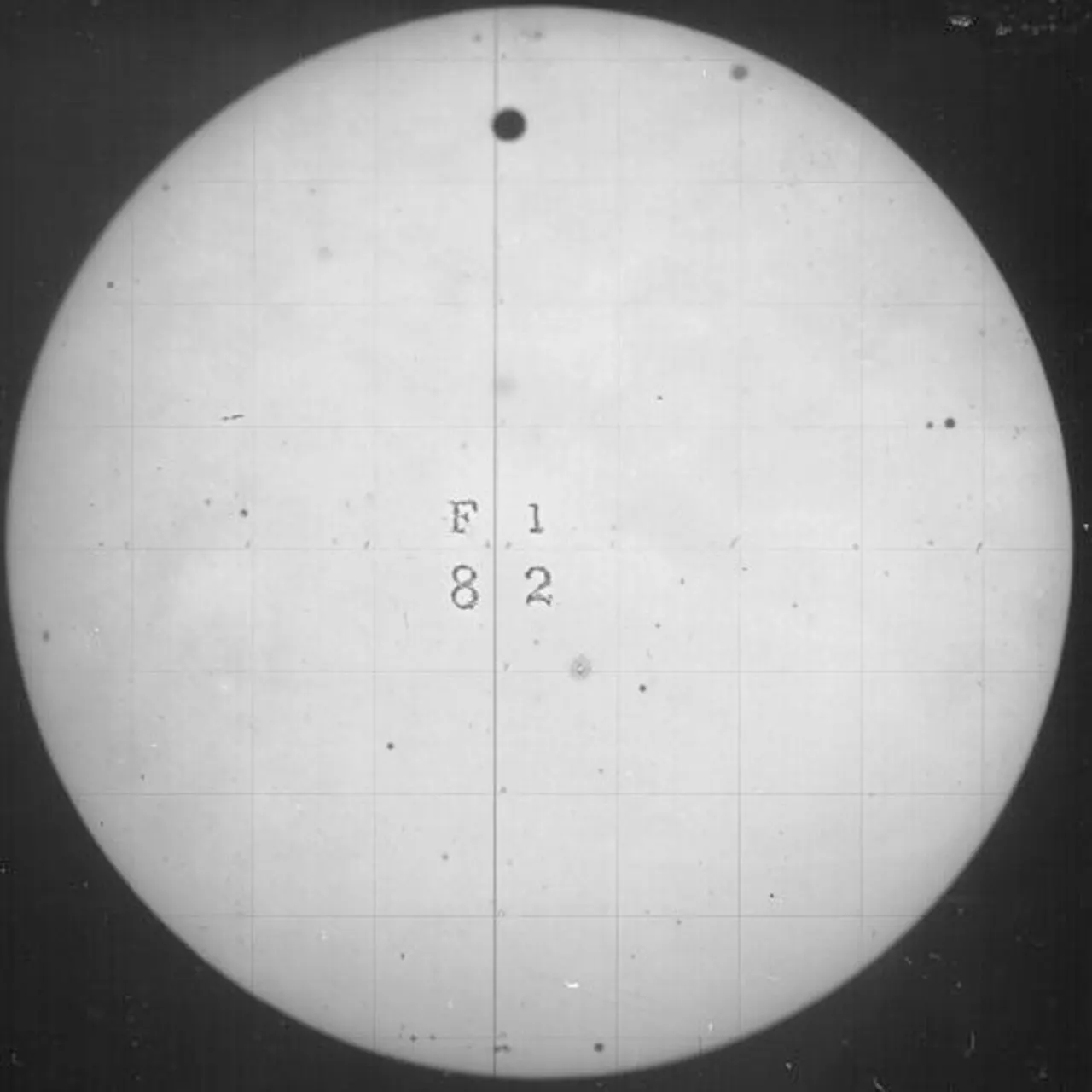
  • Photographic plate of the Sun's disk with a ruled grid and a small dark dot near the top edge; U.S. Naval Observatory, 1882

    Scale & Estimation

    Astronomical Unit: Exactly 149,597,870,700 Meters Since 2012

    Image credit

    "1882 transit of venus" by US Naval Observatory — https://commons.wikimedia.org/wiki/File:1882_transit_of_venus.jpg — Public domain (work of the U.S. federal government, 17 U.S.C. §105 (the Commons file page tags it as made by U.S. Navy staff as part of official duties); independently, an anonymous work made in 1882, so any U.S. term (at most 120 years from creation for an unpublished anonymous work) and any EU term for an anonymous work have expired)

All 4 entries in Scale

Maps Explained

How maps encode what they show: color classes and denominators on thematic maps, where longitude starts, and which datum a coordinate pair belongs to.

  • Colored engraving, 1723: the Royal Observatory on Greenwich Hill above a view of Greenwich, Deptford and London; Wellcome Collection

    Maps Explained

    Prime Meridian: The 1884 Vote Named a Telescope, Not a Mark

    Image credit

    "The Royal Observatory, Greenwich Hill, top, and the view of Greenwich and London seen from the hill, below" by Wellcome Collection — https://commons.wikimedia.org/wiki/File:The_Royal_Observatory,_Greenwich_Hill,_top,_and_the_view_of_Wellcome_V0013355.jpg — CC BY 4.0 (https://creativecommons.org/licenses/by/4.0/)

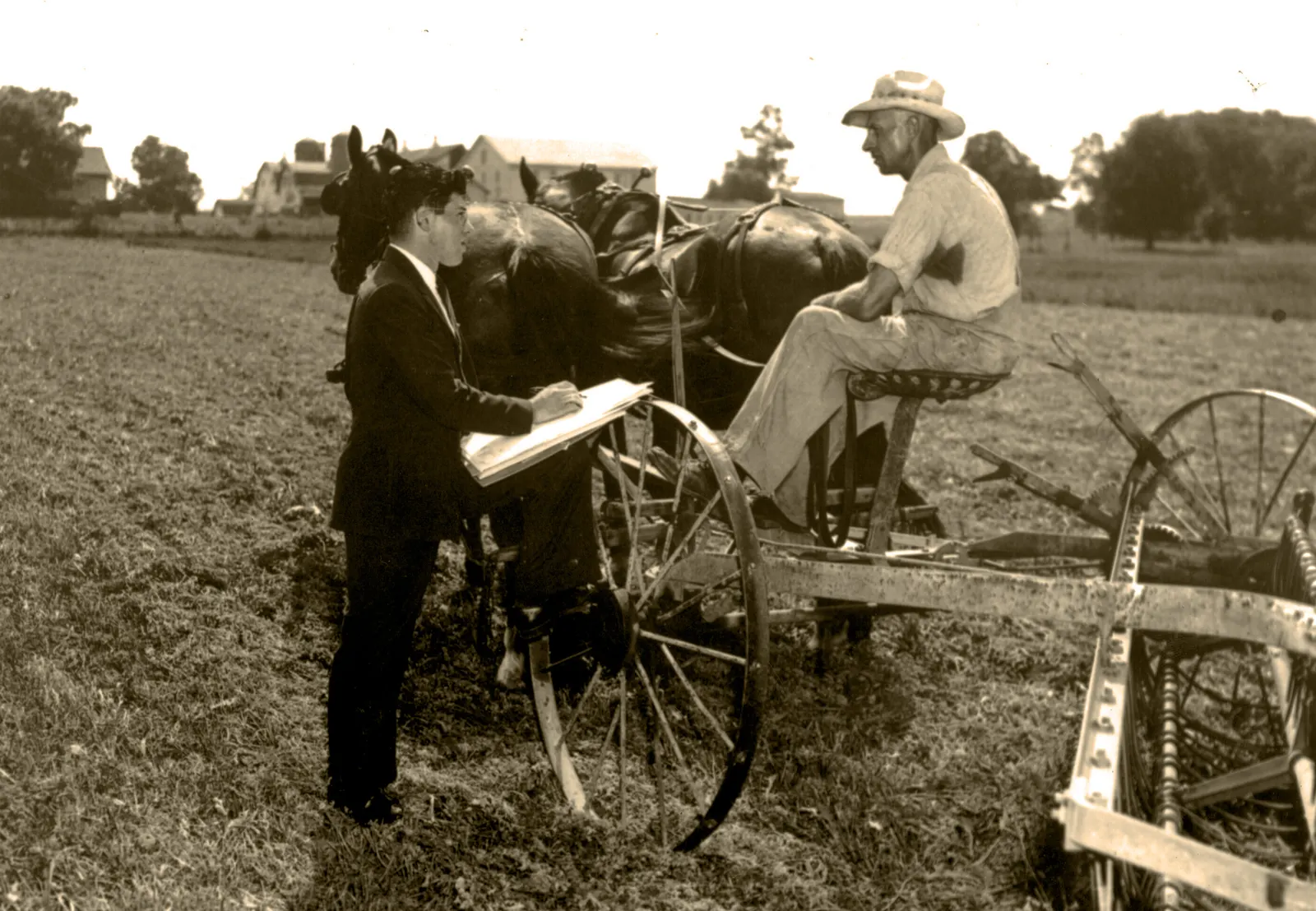
  • Photograph, 1940: a Census Bureau enumerator in a suit writes in a large ledger beside a farmer seated on a horse-drawn farm implement

    Maps Explained

    Choropleth Map: Raw Counts Mostly Redraw the Population Map

    Image credit

    "1940 Census Enumeration" by U.S. Census Bureau — https://commons.wikimedia.org/wiki/File:1940_Census_Enumeration_(5020520332).jpg — Public domain (work of the U.S. federal government, 17 U.S.C. §105: the Commons file page tags it as the work of a United States Census Bureau employee made as part of official duties; also released by the U.S. Census Bureau on Flickr under CC BY 2.0, which is the basis used outside the United States)

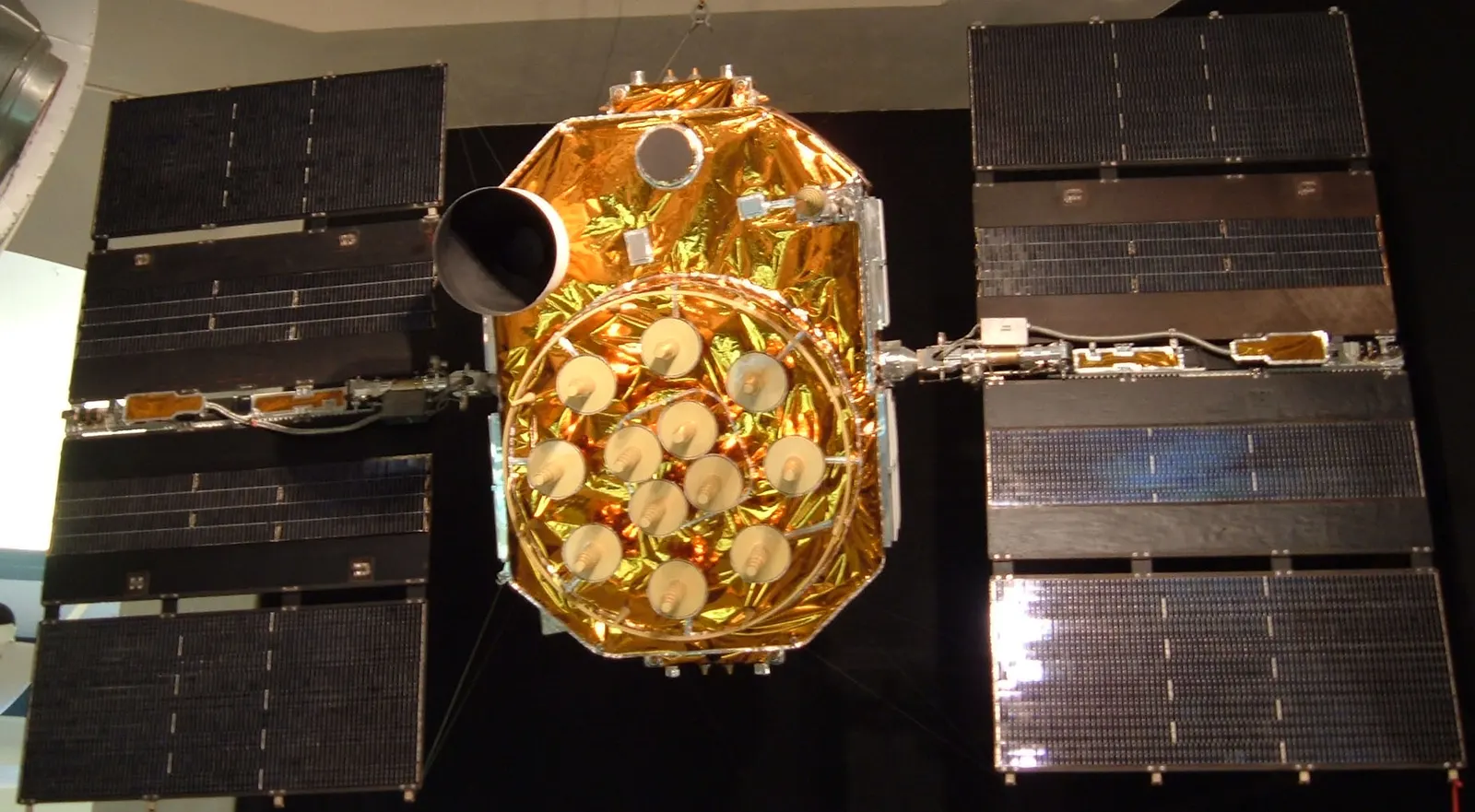
  • Unlaunched GPS Block II-A satellite, gold-foil body and four solar panels, on display at the San Diego Aerospace Museum

    Maps Explained

    WGS 84: The Same Coordinates Can Land Meters Apart

    Image credit

    "Global Positioning System satellite" by Scott Ehardt — https://commons.wikimedia.org/wiki/File:Global_Positioning_System_satellite.jpg — Public domain (Author dedication, not term expiry: the photographer, Scott Ehardt, released this own work (uploaded 2 June 2005) into the public domain worldwide on the Commons file page, so it holds in the United States and in the EU alike; where a dedication is not legally possible, his fallback grant lets anyone use the work for any purpose without conditions. The photographed object is an unlaunched GPS Block II-A satellite, a utilitarian spacecraft on museum display, not a separate artwork.)

All 3 entries in Maps

Reading Charts

Reading charts built from our own data: what each chart type shows and hides, and how baselines, axis scales and missing denominators can change the answer.

  • Adelsteen Normann's painting Summer Night, Raftsundet, Lofoten: a low orange sun over a fjord with boats and mountains; Trondheim Art Museum

    Reading Charts

    Daylight Hours: 70° N Averaged More Than the Equator in 2026

    Image credit

    "Summer Night, Raftsundet, Lofoten" by Adelsteen Normann — https://commons.wikimedia.org/wiki/File:Adelsteen_Normann_-_Sommernatt_i_Raftsund_-_TKM-29-1887_-_Trondheim_kunstmuseum_(cropped).jpg — Public domain (Oil on canvas by Adelsteen Normann (1848–1918), Trondheim Art Museum TKM-29-1887, dated presumably 1887 on the Commons file page; the painter died 26 December 1918, so the work is in the public domain in Norway and the EU (life plus 70 years) and in the United States (published before 1931, per the file page). Faithful photographic reproduction of a two-dimensional public-domain work (PD-Art); the file is marked with the Public Domain Mark 1.0); modified: cropped to the painting by a Commons contributor (CropTool, lossless) from the framed museum photograph; used unchanged

All 3 entries in Reading Charts